


Embarking on a home remodel can be exciting but also overwhelming. Whether you’re upgrading your kitchen, redoing your bathroom remodeling, or giving your entire home a makeover, it’s important to know where to start. Understanding the right steps can help you avoid costly mistakes and keep your project on track.
Here’s a step-by-step guide to what comes first in a home remodel, including expert tips to make the renovation process smooth and successful.
Planning and Budgeting: The Foundation of Any Remodel
The first step in any home remodel is proper planning and budgeting. This stage lays the foundation for your entire project. Before you pick out tiles or start knocking down walls, it’s crucial to have a clear vision of what you want to achieve and how much you’re willing to spend.
Start by listing your priorities. What areas of your home need the most attention? Are you remodeling for functionality, aesthetics, or both? Once you have a clear idea, you can move on to creating a budget.
Budgeting for a Home Remodel is essential to prevent overspending. Make sure you account for all expenses, including materials, labor, and unexpected costs like repairs. A good rule of thumb is to set aside 10-20% of your budget for surprises.
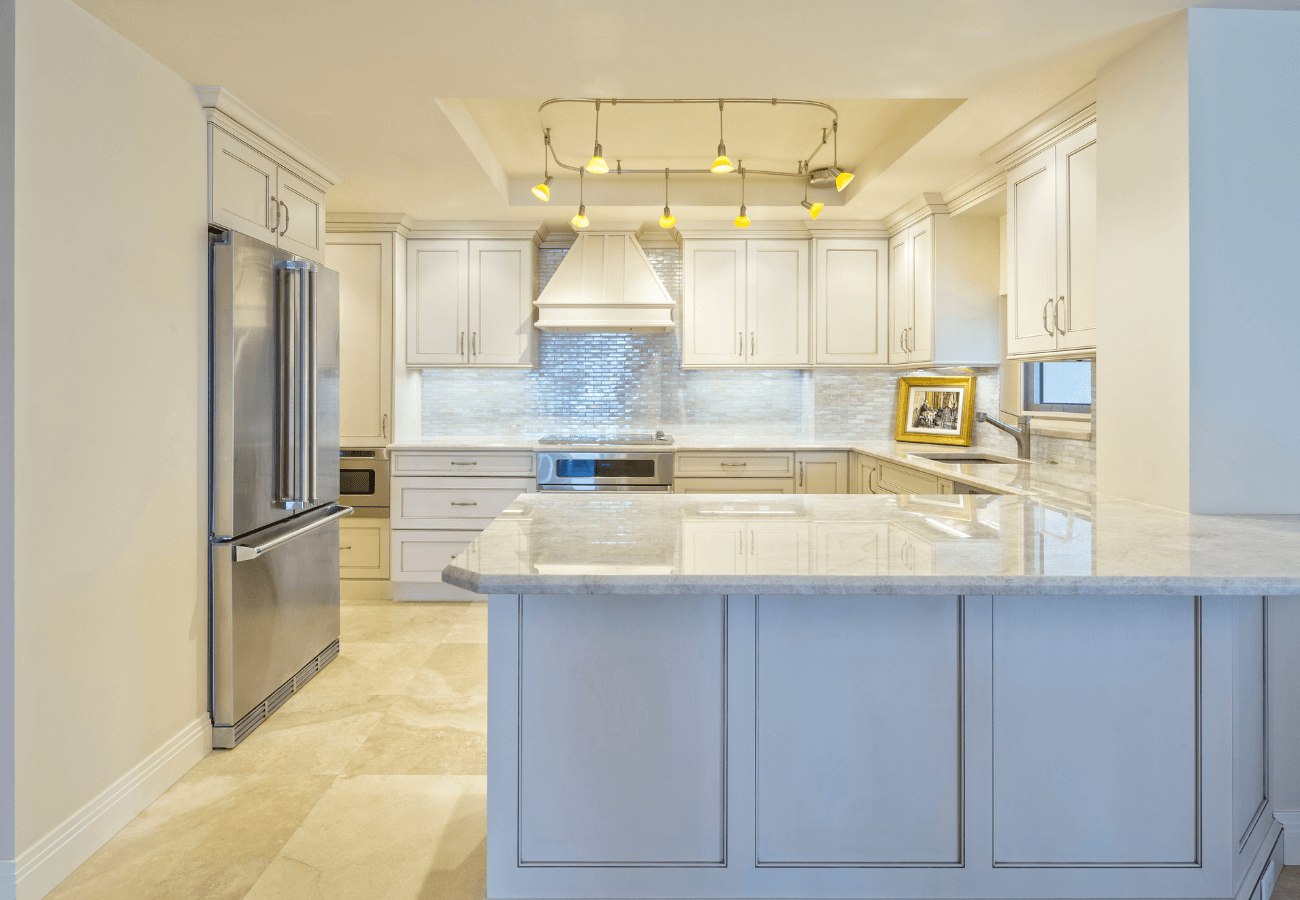
Expert Tips for Planning and Budgeting:
- Make a list of your must-haves and nice-to-haves.
- Research the average cost of materials and labor in your area.
- Set a realistic budget and stick to it.
- Consider how the remodel will affect your home’s value.
Once you have a solid plan and budget, you’ll be in a much better position to move forward with your remodel.
Obtaining Permits and Inspections: A Crucial First Step
One of the most overlooked aspects of a home remodel is the need for permits and inspections. Depending on the size and scope of your project, you may need to get approval from your local government before starting any work.
Remodeling permits and inspections are required for many types of work, including electrical, plumbing, structural changes, and anything that affects the home’s safety. Failing to obtain the proper permits can lead to fines, delays, and even having to undo completed work.
Before you start any construction, check with your local building department to find out what permits are necessary. Once you have the permits, schedule the required inspections to ensure everything is up to code.
Expert Tips for Permits and Inspections:
- Contact your local building department early in the process.
- Be prepared to provide detailed plans for your remodel.
- Schedule inspections as needed to avoid project delays.
- Keep records of all permits and inspection reports.
By staying on top of permits and inspections, you’ll avoid legal troubles and ensure your remodel meets safety standards.
Hiring the Right Contractor: Key Tips for a Successful Remodel
Hiring a skilled and trustworthy contractor is one of the most important steps in the home remodel process. The right contractor can make all the difference between a smooth renovation and a stressful experience.
Start by doing your research. Ask friends, family, and neighbors for recommendations, and check online reviews. Once you’ve narrowed down your options, ask for quotes from at least three different contractors.
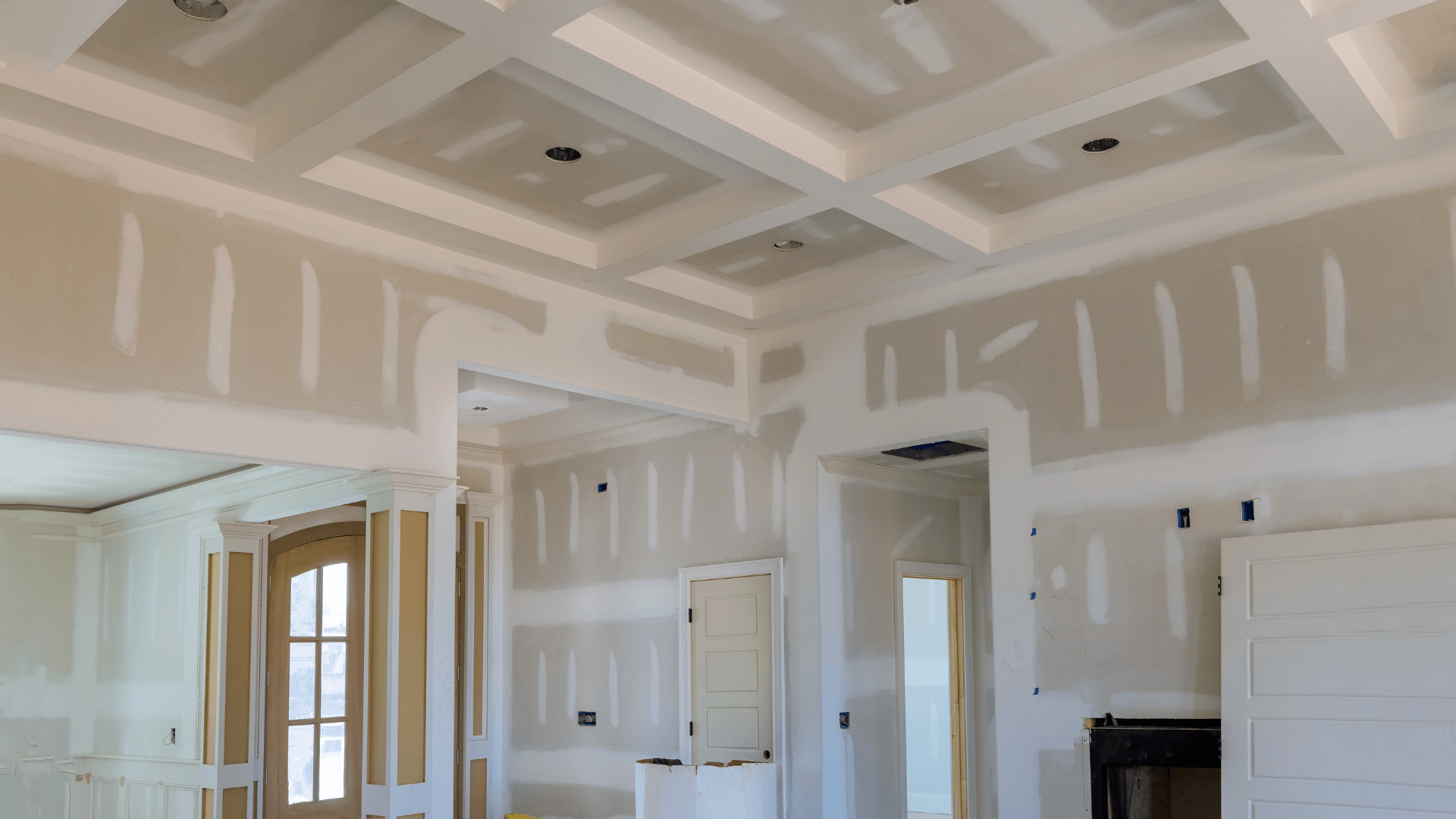
Key Tips for Hiring the Right Contractor:
- Look for contractors with experience in the type of remodel you’re planning.
- Verify that the contractor is licensed and insured.
- Ask for a detailed written contract outlining the scope of work, costs, and timeline.
- Communicate openly about your expectations and any concerns you have.
Don’t rush the hiring process. Taking the time to find the right contractor will save you from headaches later on.
Design and Layout: Creating a Blueprint for Success
Once you’ve got your planning, permits, and contractor in place, it’s time to focus on the design and layout of your remodel. A well-thought-out design will ensure that your new space is both functional and beautiful.
Start by creating a detailed home renovation design layout. This should include measurements, the placement of key features, and any structural changes you’re planning. Whether you’re working with an architect or a designer, this blueprint will guide the entire renovation process.
Consider how the flow of the space will work in real life. For example, in a kitchen remodel, think about the work triangle between the stove, sink, and refrigerator. In a bathroom remodel, make sure there’s enough space for storage, movement, and ventilation.
Expert Tips for Design and Layout:
- Focus on both functionality and aesthetics.
- Create a design that complements the overall style of your home.
- Consider lighting, storage, and the placement of furniture or appliances.
- Use 3D design tools or consult with a designer to visualize the final look.
A strong design ensures that your remodel is not only beautiful but also practical for everyday use.
Step-by-Step Home Remodel Process
To ensure your remodel runs smoothly, here’s a quick step-by-step guide to follow:
- Planning and Budgeting: Create a clear plan and set a realistic budget for your remodel.
- Obtain Permits and Inspections: Check local building codes and obtain necessary permits before starting any work.
- Hiring a Contractor: Research, interview, and hire a qualified contractor with experience in your type of remodel.
- Design and Layout: Develop a detailed design layout that outlines the new structure and functionality of the space.
- Demolition and Prep Work: Begin by removing old fixtures, walls, or flooring that need to be replaced.
- Rough-In Work: Complete any necessary plumbing, electrical, or structural changes.
- Inspections: Schedule required inspections to ensure the work is up to code.
- Finishing Work: Install cabinets, fixtures, flooring, and paint as per the design.
- Final Inspection and Cleanup: Once the remodel is complete, schedule a final inspection and clean up the space.
Conclusion
A successful home remodel starts with careful planning and organization. At Voyager Construction, we believe that focusing on budgeting, securing permits, hiring the right contractor, and crafting a thoughtful design are the key steps to ensuring a smooth and stress-free renovation.
While every remodel is unique, these expert tips can guide you through the process. With Voyager Construction by your side, your dream home is just a few steps away!


