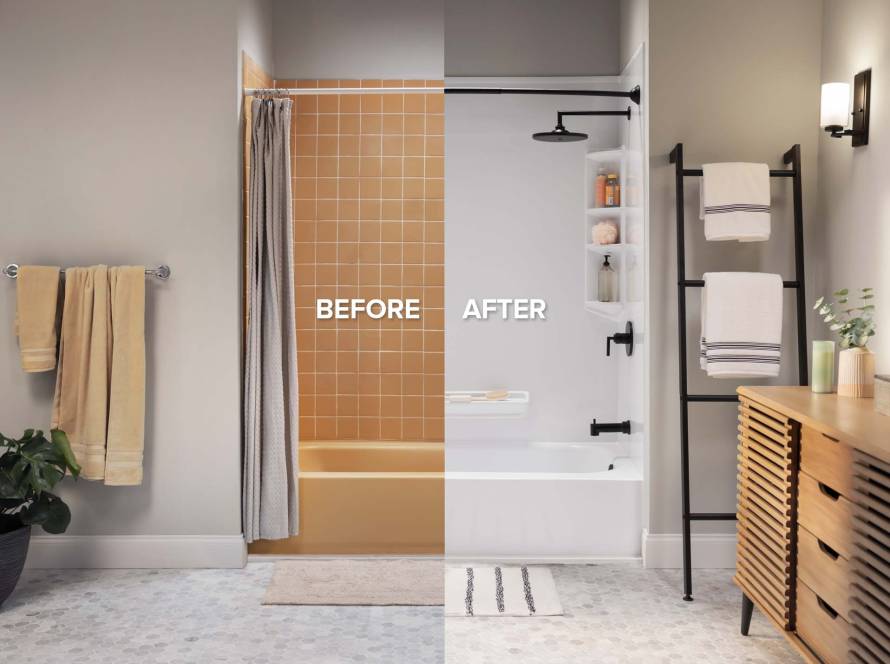
Remodeling your house is an exciting project. It’s a chance to update your living space, make it more functional, and even boost the value of your home. But before diving in, it’s important to plan carefully. A well-thought-out renovation will save you time, money, and stress.
Here are the first five tips for renovating a house to consider before starting your project:
1. HIRE A PROFESSIONAL CONTRACTOR OR ARCHITECT
The first step in any home renovation is finding the right help. You want someone experienced who can guide you through the process.
WHY YOU NEED A CONTRACTOR OR ARCHITECT
Hiring a home contractor or architect brings many benefits. They know how to manage big projects, coordinate workers, and handle unexpected issues that often arise during remodeling. Plus, they understand building codes and can help you secure home renovation permits.
An architect can assist with complex designs, especially if you are making major changes like adding rooms or altering the structure. If your project is more straightforward, a general contractor may be all you need.
HOW TO CHOOSE THE RIGHT PROFESSIONAL
When hiring a home contractor, always check references and read reviews. Ask for a detailed portfolio to see their previous work. It’s also important to get multiple quotes to compare prices and services. Make sure the person you hire is licensed and insured to avoid problems down the line.
Working with a professional is one of the best tips for renovating a house to ensure your project goes smoothly and is a success.
2. SET A CLEAR BUDGET AND TIMELINE
One of the most critical parts of remodeling is remodeling budget planning. A renovation can quickly go over budget if you’re not careful, so setting a clear financial plan from the start is essential.
ESTIMATE YOUR COSTS
Start by listing all the potential costs. This includes materials, labor, permits, and any unexpected expenses. It’s smart to add a buffer of about 10-15% for surprises that may come up during construction.
Your contractor or architect can help you break down the costs and offer suggestions for saving money. Sometimes, small changes in materials or design can lead to significant savings without sacrificing quality.
STICK TO A TIMELINE
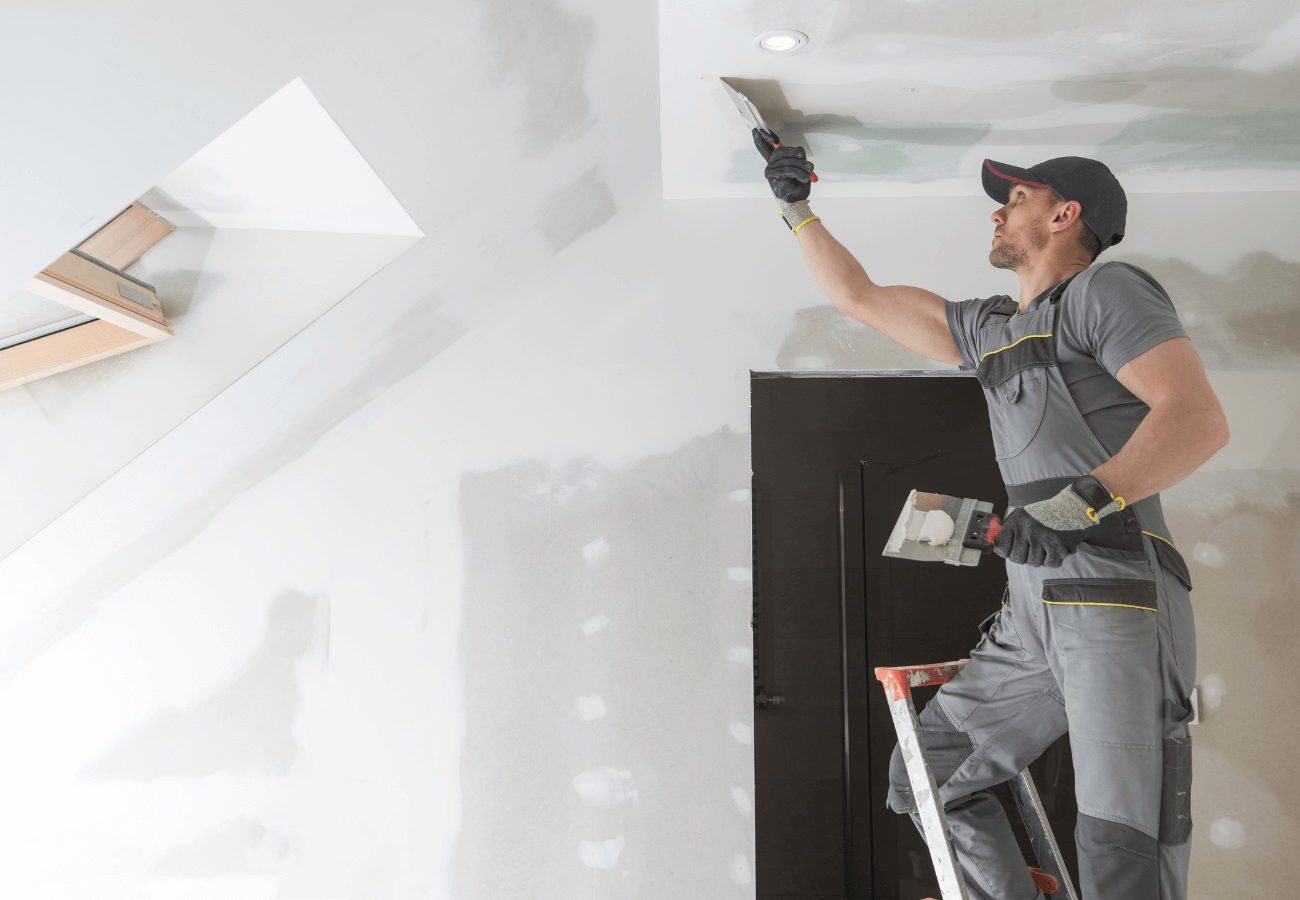
A well-planned timeline is just as important as a budget. Remodeling can be disruptive, so you want to know how long each phase will take. Be realistic about how much time is needed for each part of the project, from demolition to finishing touches.
Discuss the timeline with your contractor and ensure they can meet your deadlines. This will help avoid delays and keep your project on track.
One of the best tips for renovating a house is to maintain clear and realistic expectations for both your budget and timeline to avoid surprises and delays.
3. PLAN YOUR DESIGN AND LAYOUT WITH FUTURE GROWTH IN MIND
When planning your design, don’t just think about what you want today—think about what you’ll need in the future. Whether you plan to live in your home for many years or sell it later, your renovation should consider long-term goals.
FLEXIBILITY AND FUNCTIONALITY
One important aspect of remodeling is making sure your home is flexible. As your family grows or your needs change, your home should adapt. For example, if you’re remodeling your kitchen, make sure there’s enough storage and counter space to accommodate future needs.
Consider your lifestyle and how it may evolve. Are you planning to have children? Do you need a home office space in the future? Designing with growth in mind can save you from needing additional renovations down the road.
When considering tips for renovating a house, always remember to plan with both current and future needs in mind. This will ensure that your home remains functional and adaptable for years to come.
RESALE VALUE
If you plan to sell your home in a few years, think about which renovations will add the most value. Features like updated kitchens, energy-efficient appliances, and modern bathrooms are always in demand.
Consult with a real estate agent or your contractor to get insights on which renovations offer the best return on investment. When considering tips for renovating a house, focusing on upgrades that enhance resale value can help you make the most of your investment, whether you’re selling soon or in the long term.
4. PRIORITIZE STRUCTURAL AND SAFETY IMPROVEMENTS FIRST
Before focusing on the aesthetic aspects of your remodel, it’s essential to address structural and safety issues. This ensures that your home is safe and secure before you start adding those design touches. Following essential tips for renovating a house, focusing on these areas first can prevent costly repairs down the road.
STRUCTURAL REPAIRS
If your home has issues like cracks in the foundation, water damage, or outdated wiring, these should be your top priority. Fixing these problems first can prevent bigger (and more expensive) issues later.
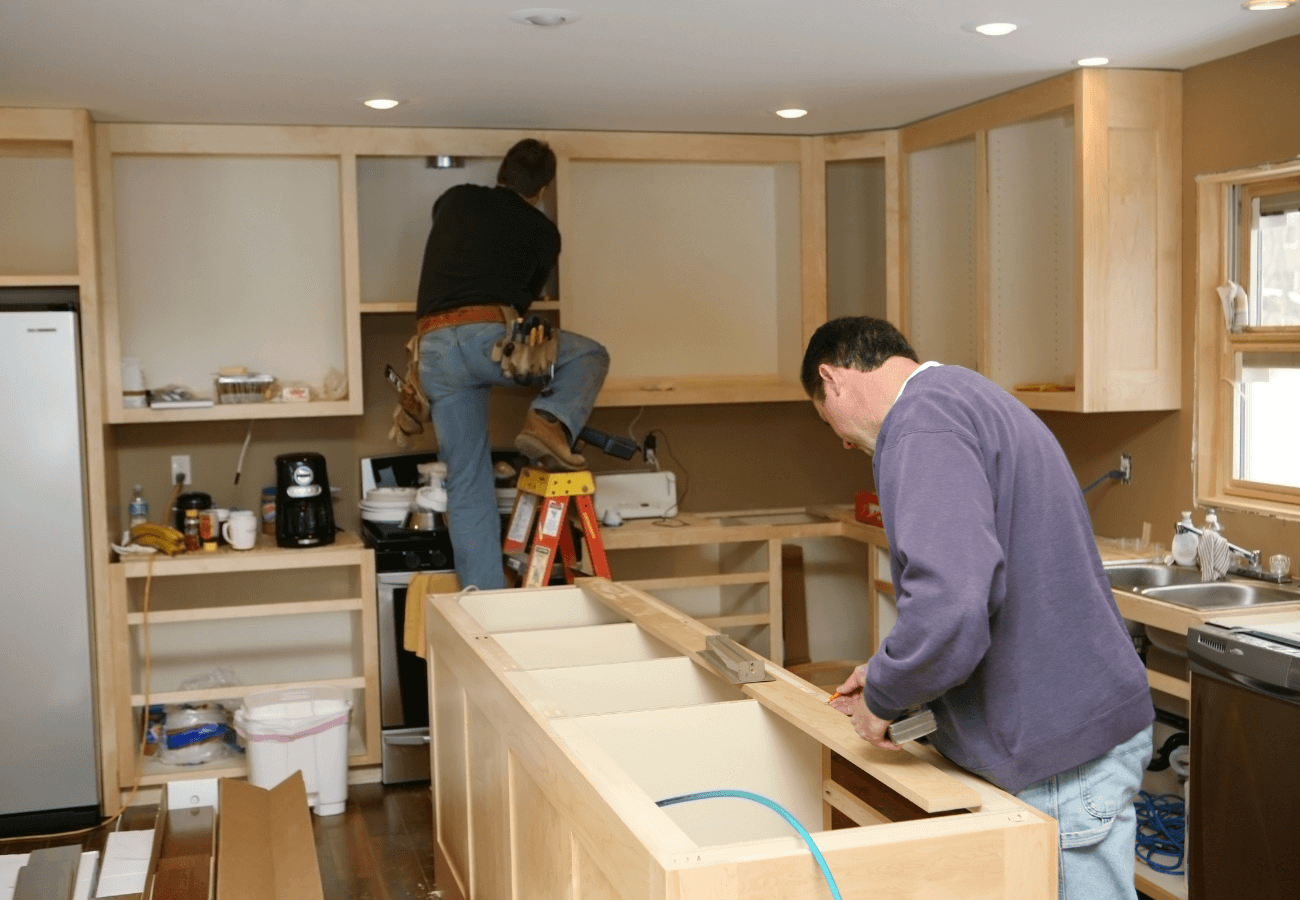
A professional home remodeling inspection is a good idea to identify any potential problems. Your contractor can then create a plan to address these issues as part of your renovation based on expert tips for renovating a house.
SAFETY IMPROVEMENTS
In addition to structural concerns, think about ways to improve the safety of your home. Adding new smoke detectors, upgrading your electrical system, and replacing old plumbing are all important steps to ensure your home is up to code.
If you’re working on an older home, you may need to make your home compliant with current building codes. Your contractor can help you understand the necessary updates to meet safety standards, offering tips for renovating a house to ensure maximum safety.
5. Get the Right Permits and Inspections
Many homeowners are surprised to learn how many permits are required for a remodeling project. Whether you’re knocking down walls or updating your electrical system, permits are often necessary.
Home Renovation Permits
Before any work begins, check with your local government to see what home renovation permits you need. Your contractor should be familiar with these requirements and can help you with the process. Make sure you have all the required paperwork in place to avoid fines or project delays.
Regular Inspections
Throughout the remodeling process, inspections are a must. These ensure that the work is being done correctly and according to code. Home remodeling inspections should be scheduled at key points during the project, such as after demolition, electrical work, and before the final finish.
It’s important to stay on top of these inspections to keep your project on schedule.
Conclusion
Remodeling your home can be an exciting and fulfilling journey, but it requires careful planning and preparation. Focus on safety and structural improvements before diving into design details.
By securing the proper permits and scheduling regular inspections, you can avoid costly mistakes and ensure your renovation is completed with excellence. Taking these initial steps will lay the foundation for success, helping you transform your space into the home of your dreams.
Contact Voyager Construction to help you transform your space into the home of your dreams.